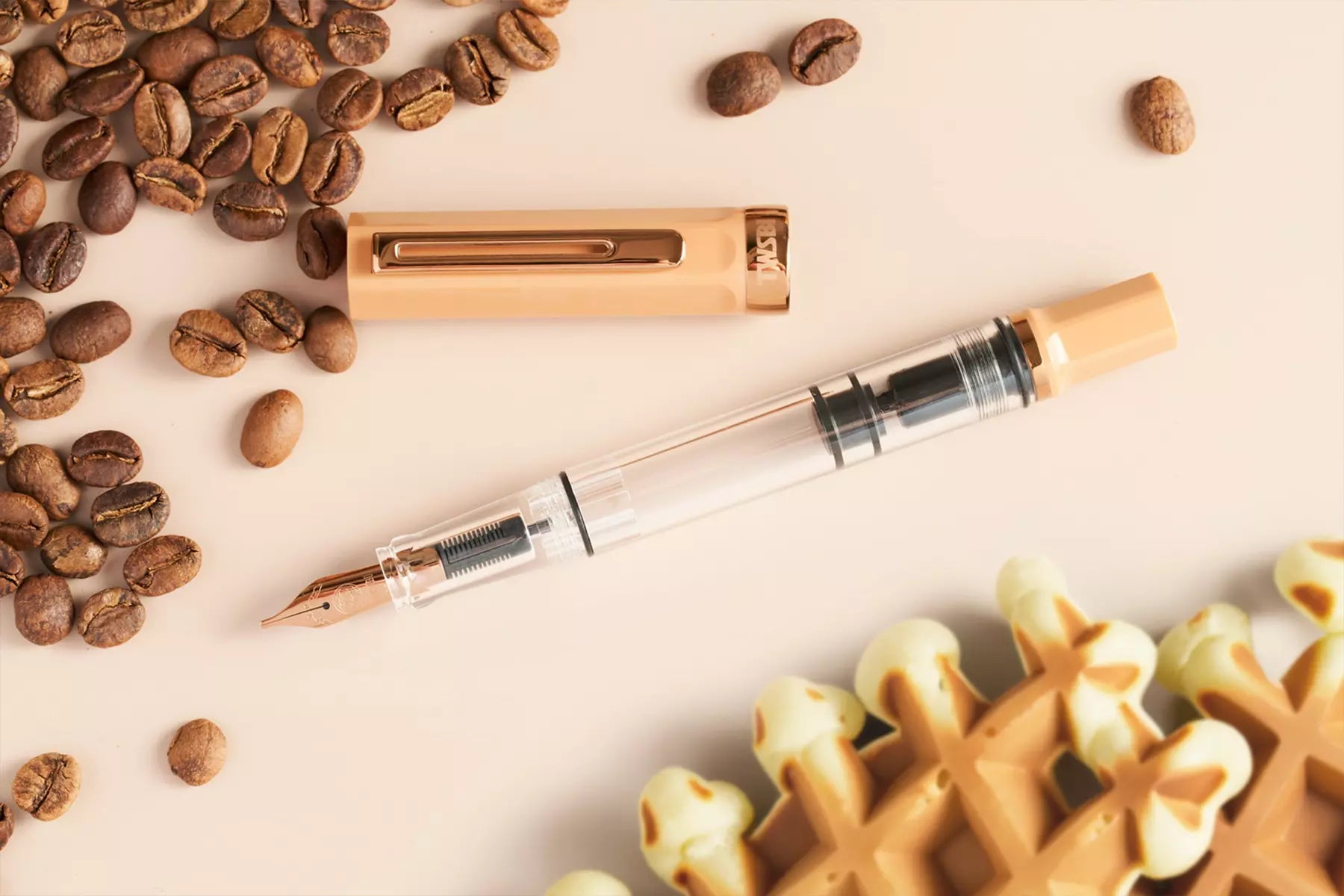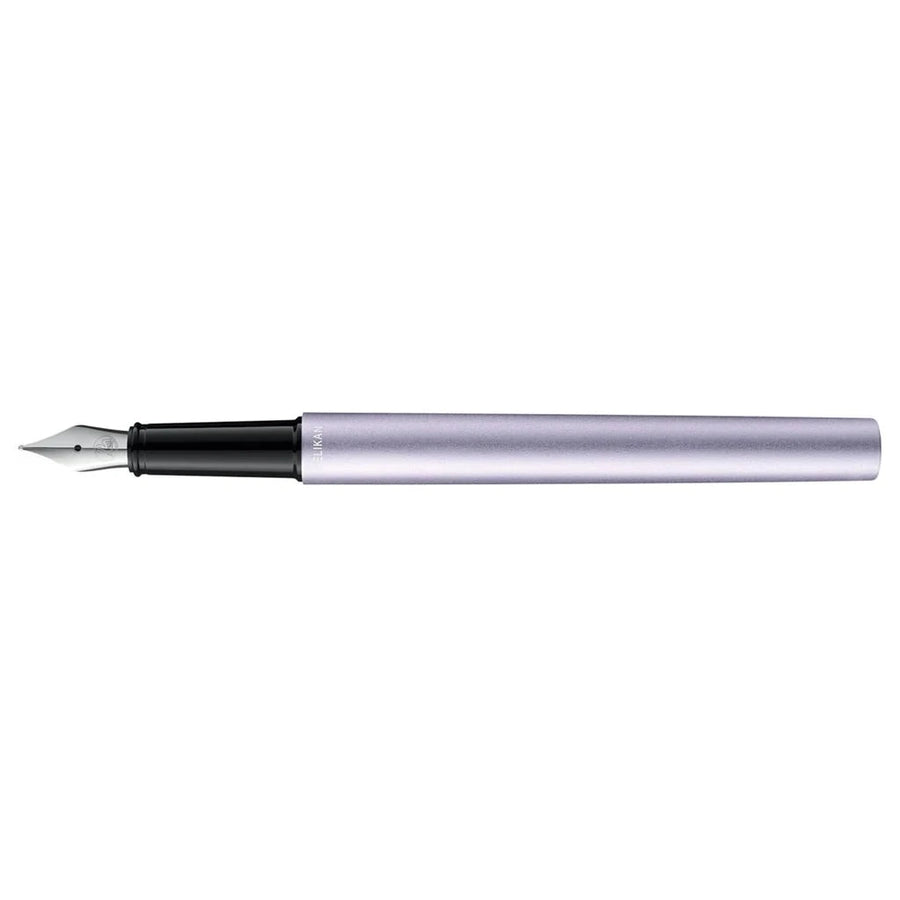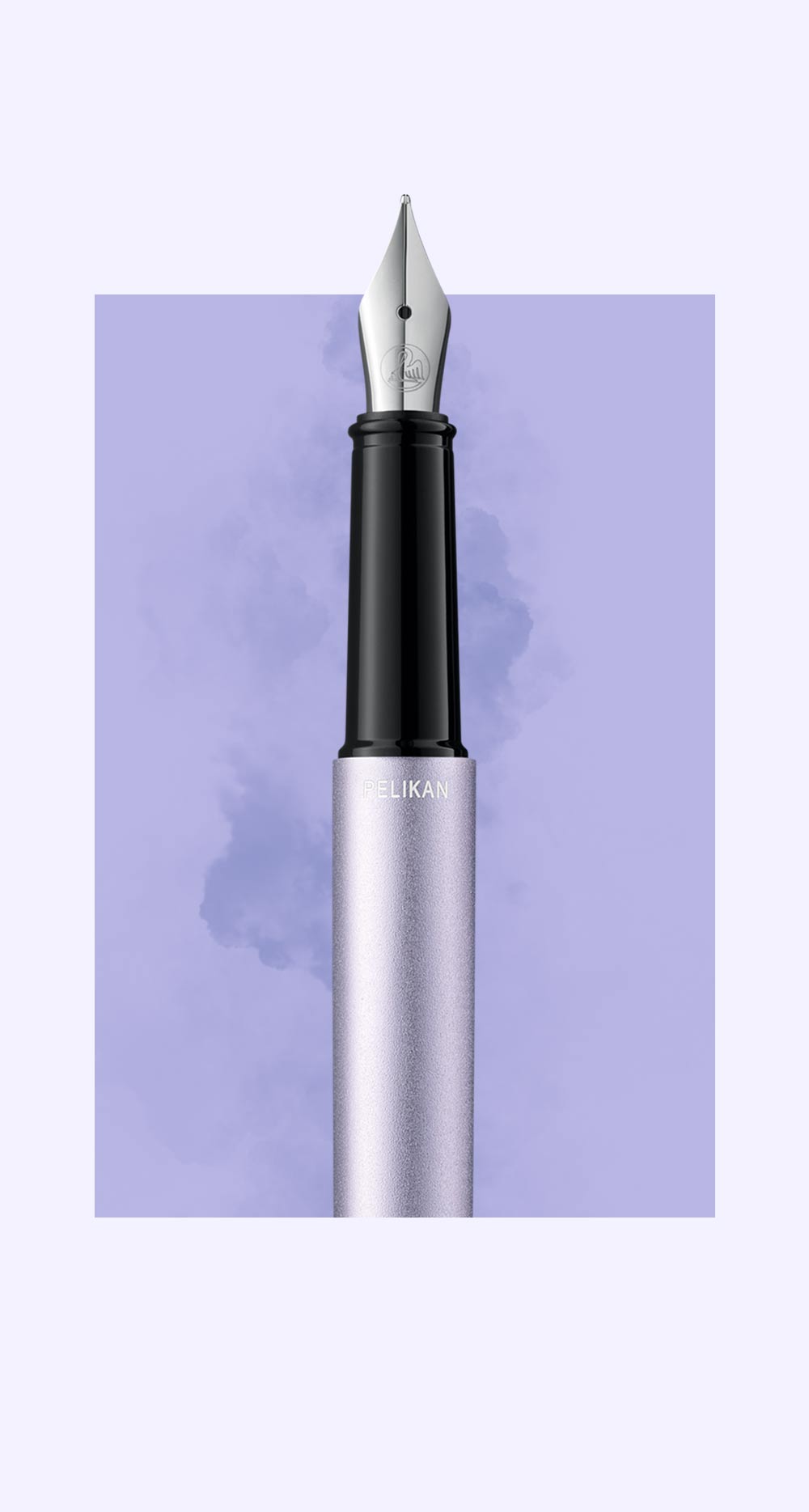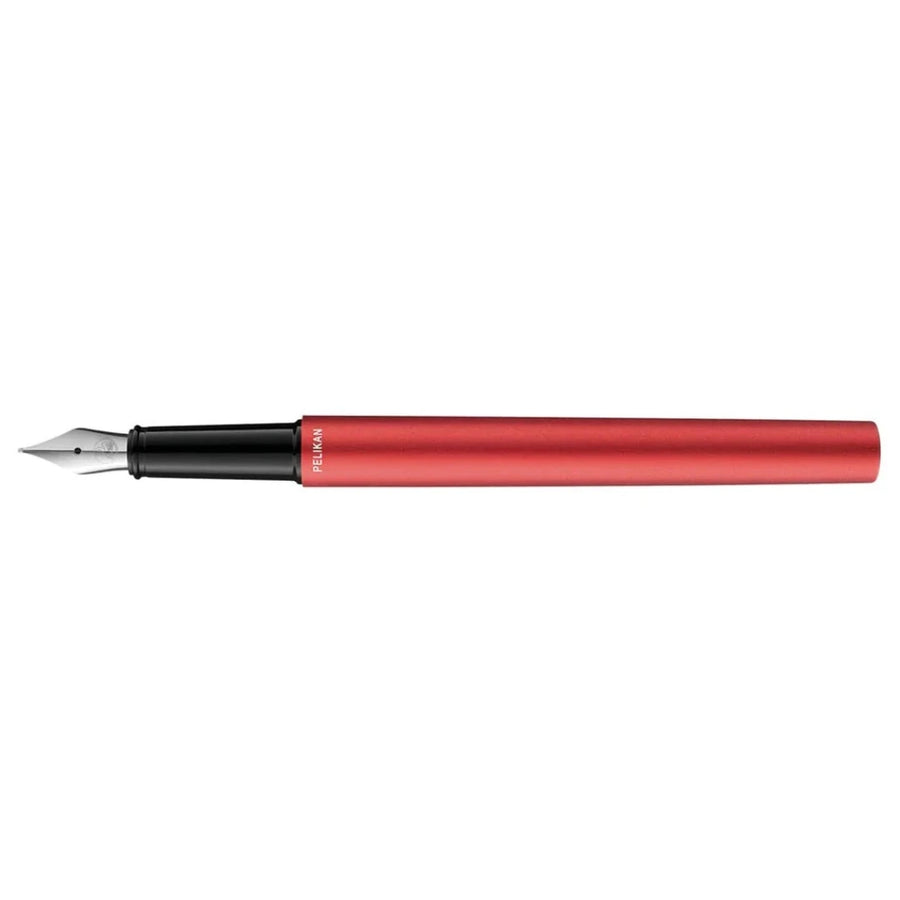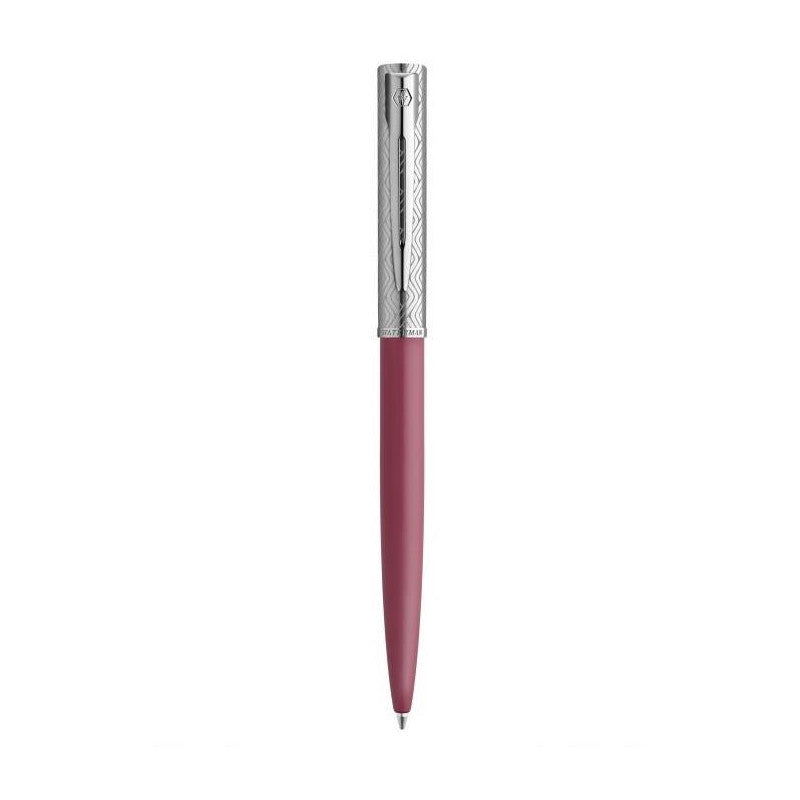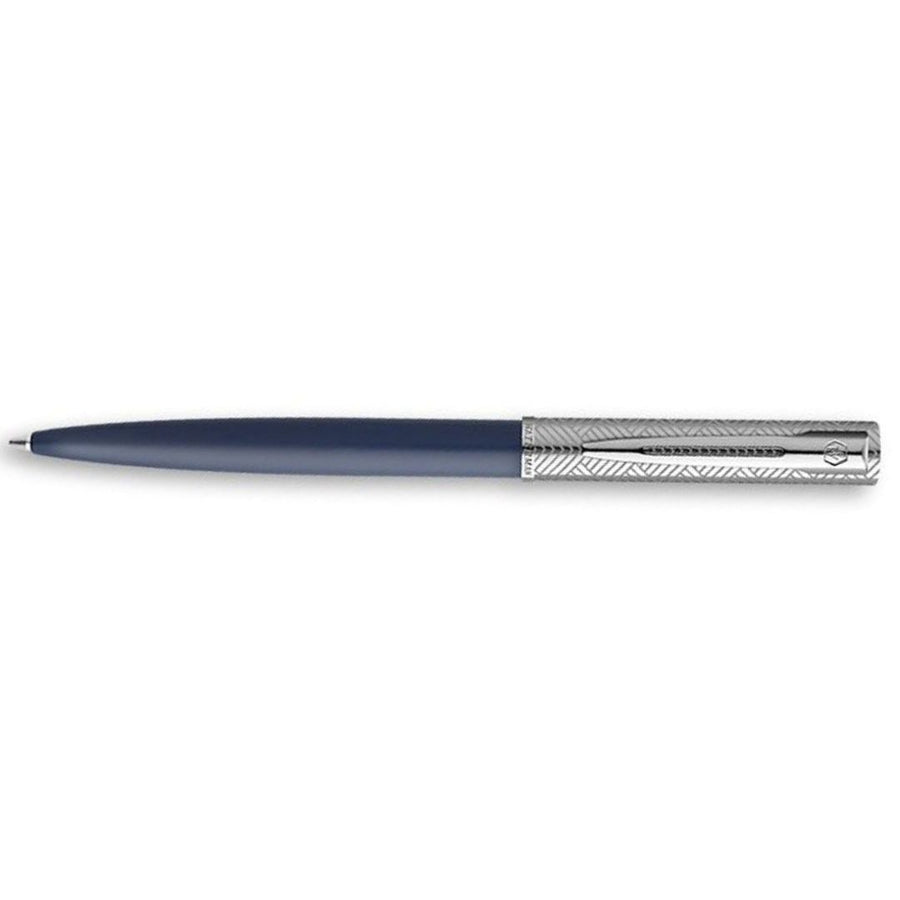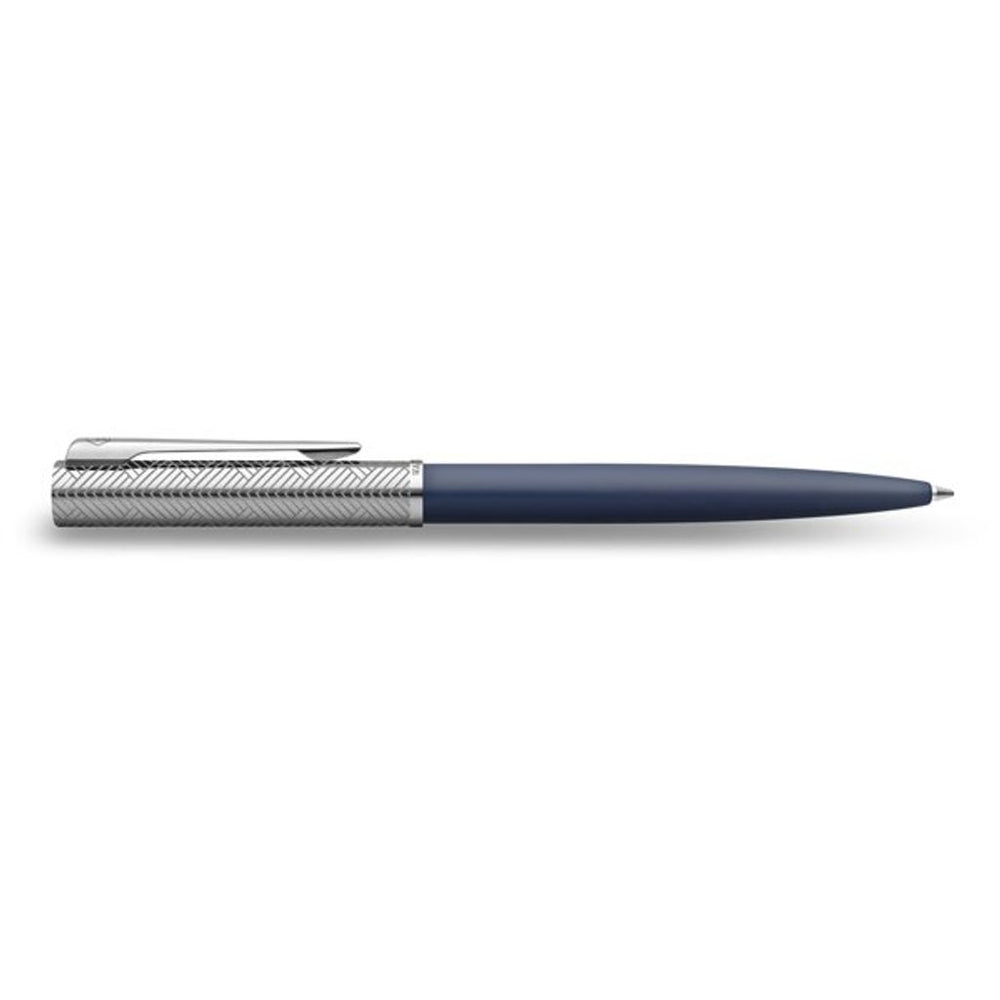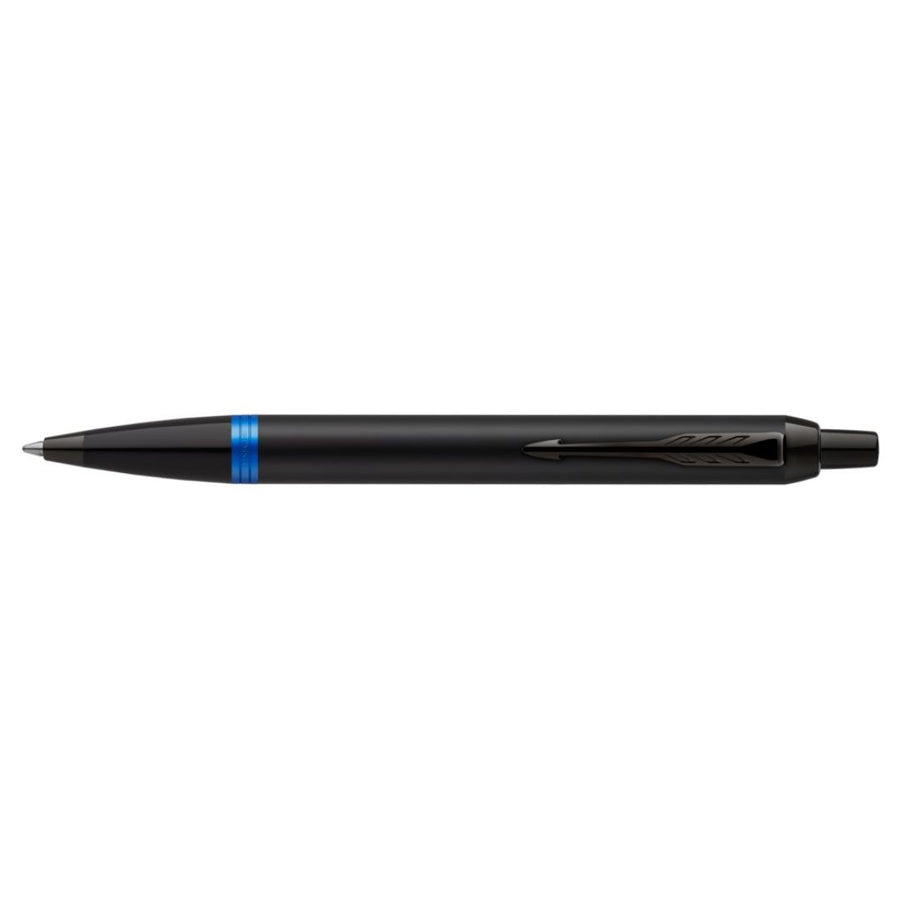



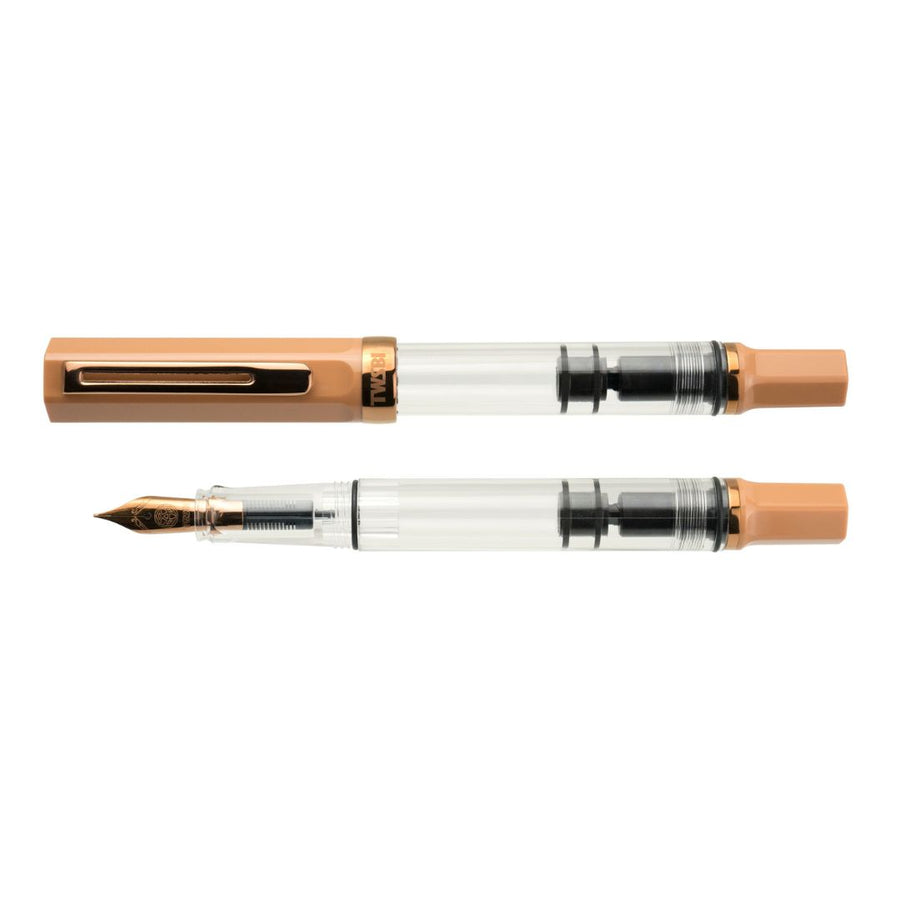

At Applebee we pride ourselves in providing a wide selection of good quality, unique stationery to both corporate and personal shoppers. We strive to find the kind of stationery which excites and delights the consumer. The more colourful, playful, useful and awesome the stationery, the more excited we get about selling it, and hopefully the more excited you get about buying it!
On this site we list some of the brand names of our favourite supplies, but we do suggest that you pop in for a visit to our retail store, as the range is more than one can describe ina few words.
Applebee is owner-run and managed by Barry and June Lategan, who have been hands-on since 1986. Personal relationships is what we are all about.
Keeping the Company small, means we can react quickly to new trends, we can make decisions immediately, and jump in our vehicles to drop off supplies in an emergency. When you talk to us, you are dealing with the owners, not ill-informed and uninspired staff.
Whilst every attempt is made to maintain reasonable and fair pricing, we are NOT about being the absolute cheapest absolutely every time. Neither do we want to sell to everyone.
We have a passion for stationery, and love dealing with like-minded people.
Our products are not readily available in stores, we seek out the very best, and love to excite the senses!
Remember back to your childhood on your first day at school. Remember the smell of wooden pencil shavings. Remember the first entry in your brand new school book. Remember the feel of the newly covered books (thanks Mom!). That's what we are all about - bringing back the nostalgic memories of when life was slower and less complicated.
Friday, 13 April 2012 05:09
Yeah, you can those blue Bic pens in bulk if you want—a boatload costs about as much as your morning coffee. And all pens are pretty much the same, right? Of course not. Cheapo pens are much more likely to leave ink smeared across your nose, bleeding through your pants pocket, or glopping up your page.
But even cheap pens were state-of-the-art at one time. Let's take a look at how writing with ink has evolved over the centuries.
Paintbrushes were the earliest precursors to pens, appearing in China as writing instruments around the first millennium BC. By 300 BC, the Egyptians were using reeds for written communication, and by the 7th century, Europeans had adopted bird feathers to drag ink along a page.
Quill pens were a huge innovation—they weren't bulky or rigid like the writing tools that came before them. Their natural bend eased the friction between pen and page, and their slender profile made them easier to wield.
For hundreds and hundreds of years, dipping feathers in ink was the best way to put words on a page. But in the 19th century, people traded quills for metal writing instruments. The first machine-made steel pen point came out of England in 1828. It was great for manufacturers, but the dip, write, dip, write process was still just as tedious for wordsmiths.
Finally, in 1884, the American inventor L.E. Waterman created the first practical fountain pen. It wasn't the first pen to hold ink inside, but Waterman's was the first that regulated ink output. According to his patent, this is how he did it:
The tendency to a heavy and excessive flow of ink… will be compensated by an increased influx of air…to fill the vacuum tending to be produced within the reservoir, thus retarding the flow and automatically regulating the same.
While ballpoint pens also date back to the late 19th century, they didn't take off until the 1940s. The "biro" pen made by Lázló Bíró, a Hungarian journalist living in Argentina, really kicked off the craze. Bíró's was the first to use quick-drying ink and a ball to regulate flow. The combo reduced friction on the page and mitigated smudges.
Our ballpoint pens today use basically the same set up with upgraded components, better materials and more current engineering.
Ink has also improved over time. We want an even line with consistent thickness. No clumping, No clogging. Pen designers have put a lot of thought into the best way to achieve this. I called up Uni-Ball, the maker of the only pen I use, to learn more about ink magic.
"The traditional ballpoint pen [ink] is oil-based and very thick," says Samantha Brown, Uni-Ball's brand manager. "The Jetstream uses a hybrid ink, which is between a gel roller and a ballpoint." That means it's thinner and brighter than in a standard issue pen, so it's easier to roll out. The formulation also allows the ink to retain its quick-drying properties, something you would lose in a straight-up gel pen.
There are many things about ink that normal people never think about: friction between the pen and the page, for instance. Test a bargain 12-pack pen and then test one that you threw down a few bones for. Chances are the one that cost more will generally feel better. It won't stick on the page and the ink won't stutter. The key to a better-feeling ballpoint is low-viscosity. The Jetstream achieves it by baking a lubricating solvent into its ink. The result is 40-percent less friction than what you get from a pack-o-pens.
The ink magic does not stop there. "It's water resistant, bleaching resistant, ammonium hydroxide resistant, hydrochloric acid resistant, water resistant and bleaching resistant, too," Brown explains. That's all to protect bad guys from tampering with your checks and other important documents with a bottle of nail polish remover. Uni-ball uses Super Ink, a tamper-resistant formula they came out with in 1986—back then, check doctoring was rampant. The stuff embeds itself into the fibers of the paper along with the pigment and dye-based ink to hold strong when chemically challenged.
We've come a long way! Along with ink delivery, mechanics have made pens smoother to retract, a better understanding of ergonomics has made them easier to hold, and they even work well these days at high altitudes. You just have to buy a model with a full century's worth of ball-point innovation built in. We write so infrequently these days, it's worth a few extra bucks to make sure it's a glob-free experience.
Via [Gizmodo]